Embodied Emissions Accounting for Engineered Carbon Dioxide Removals (eCDR)
June 24, 2025 - Research
This is a summary of the complete white paper authored by Calyx Global and Meta. To explore these concepts more fully, see the full paper.
Engineered carbon dioxide removals (eCDR) are necessary to counteract emissions from hard-to-abate sectors if the world is to achieve net zero emissions. For these projects to fulfill their potential, it is important to recognize that they can come with a debt that must be consistently and accurately accounted for.
In recent years, we have witnessed a growing demand for engineered carbon dioxide removals (eCDR), which include technologies such as direct air capture with carbon storage (DACCS), biomass carbon removal and storage, or BiCRS (e.g. biochar, bio-oil and biomass storage) and bio-energy with carbon capture and storage, or BECCs.
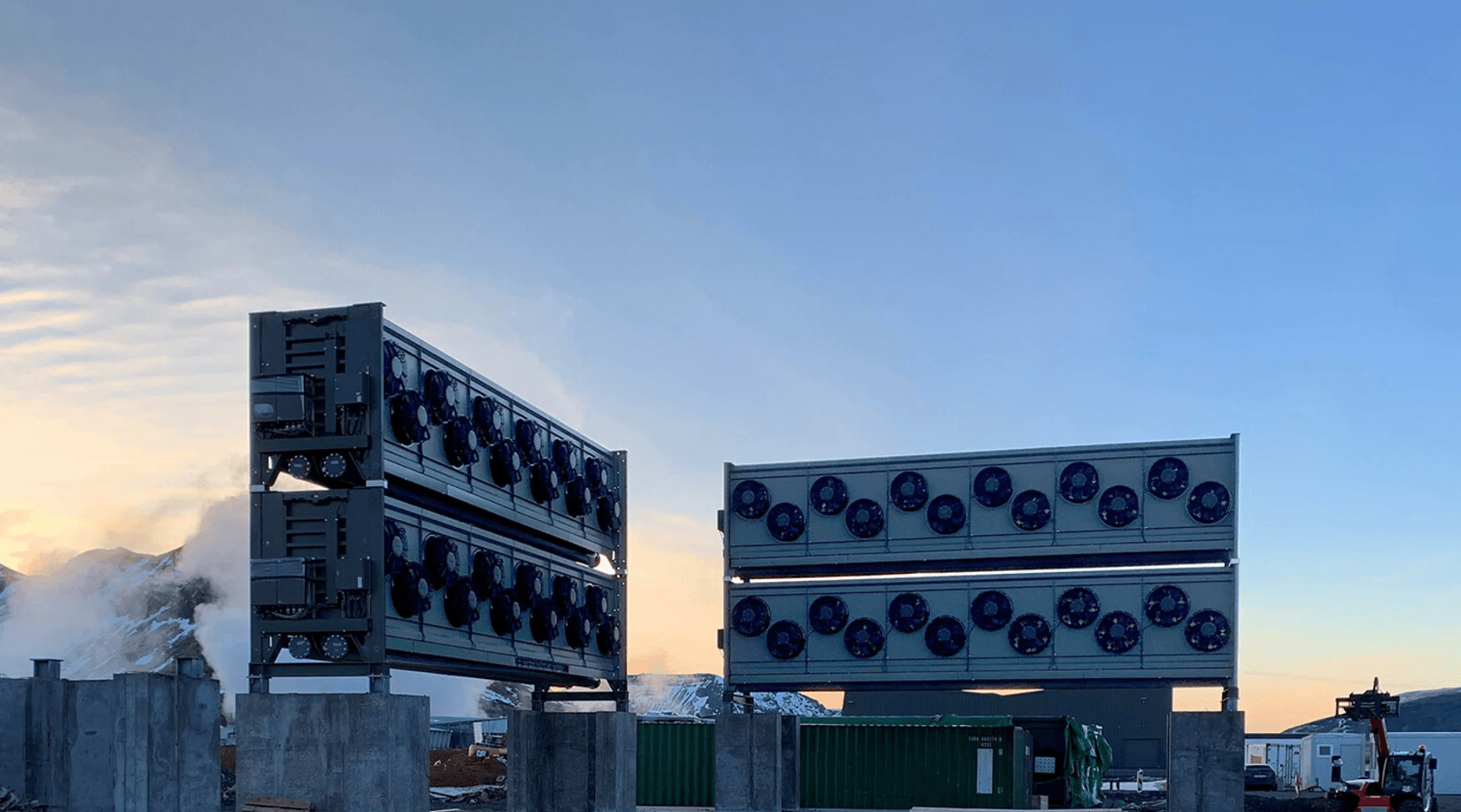
Unlike nature-based CDR, which relies on vast acreages of land to produce removals, these eCDR techniques require less land. Instead, they often require energy and rely on specialized equipment and facilities.
Given the large carbon footprint of facilities and equipment required for many eCDR projects, rigorous embodied carbon accounting is critical to knowing the actual climate benefit and thus making accurate claims. This accounting would help to create a level playing field for various eCDR approaches and build trust in this growing sector of the CDR industry.
Understanding embodied emissions and why they matter
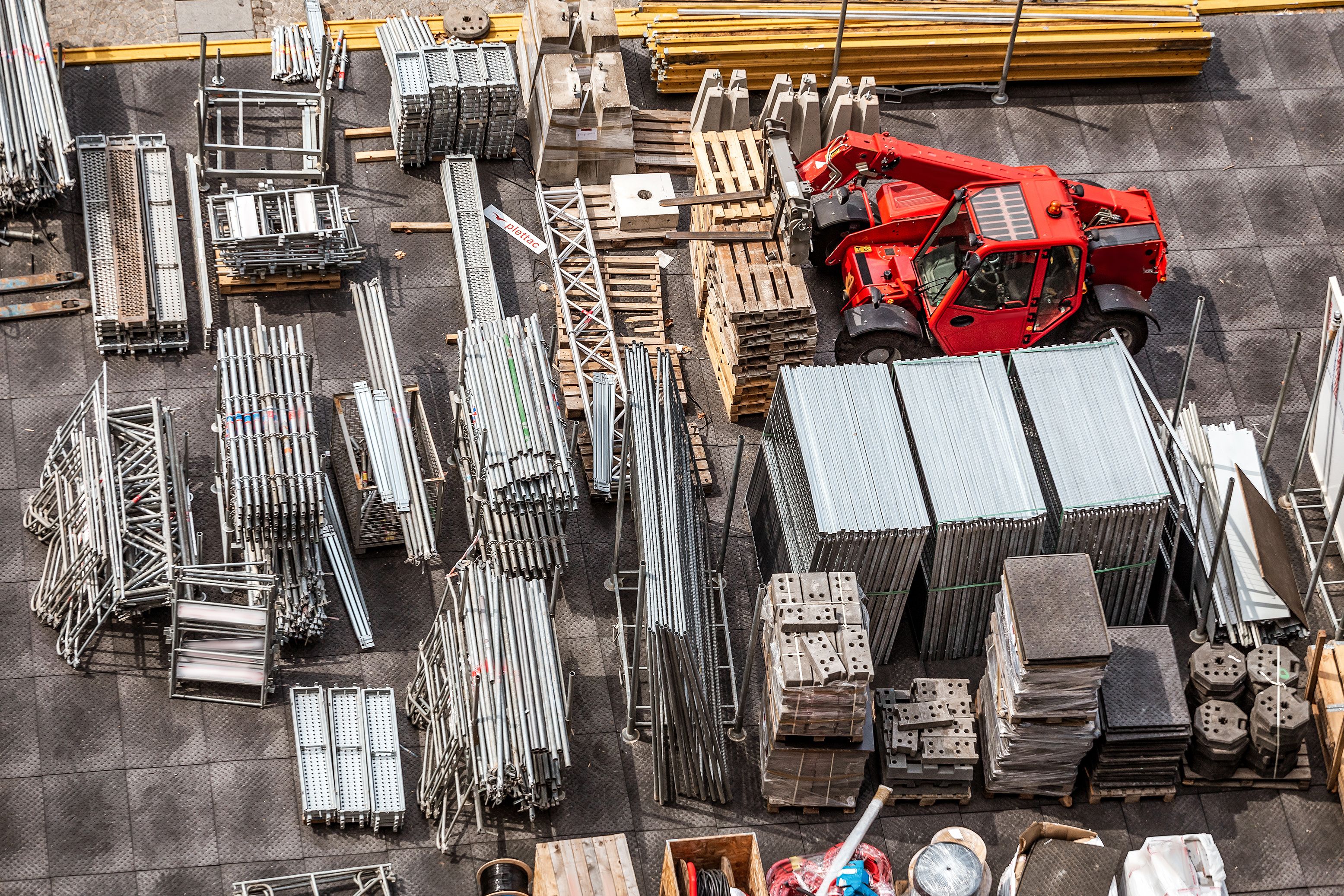
The energy needed to run an eCDR facility is included in process/operational emissions – those that are ongoing during the project activity. These emissions are accounted for in real-time (e.g., metered electricity use). Creating the infrastructure itself results in emissions from sourcing, processing and using materials during construction. These are embodied emissions, distinct from process emissions, and they are not always accounted for in real-time (or at all).
Upstream embodied emissions, occurring before a project even begins, create an “emissions debt” that must be paid off before a project starts delivering net climate benefits. Depending on the magnitude of these emissions and the volume of credits produced by a given eCDR project, it may take weeks, months or years to cover the embodied emissions debt.
Without proper accounting, projects may issue credits before any net climate benefit occurs or simply overstate their true climate benefit. At worst, a project may stop operations without paying off its debt, essentially having issued “phantom” credits when it actually created net emissions.
How carbon credit standards handle embodied emissions
Although accurate accounting is recognized as one of the core principles of a high-integrity carbon market, there is no standardized approach among carbon crediting programs for how embodied carbon is measured and reported. Approaches include:
- No accounting: Credits can be issued without any deduction for embodied emissions.
- Default deduction: The same standard deduction is applied to all projects.
- Amortization: Embodied emissions are distributed over the project's operational life or some other designated timeframe.
- Upfront deduction: Embodied emissions are deducted upfront.
Not only is there a wide range of accounting approaches among standards, but reporting requirements around emissions accounting also vary greatly. Without full disclosure of emissions calculations, buyers cannot verify if and when a project has paid off its embodied carbon debt. To learn which carbon crediting programs apply each accounting approach and how this can affect transparency and credit integrity, check out our white paper [provide link].
Now is the perfect time
Engineered removals are starting to get considerable attention. Developing a standardized approach to embodied carbon accounting that prioritizes transparency is necessary to build confidence in eCDR market integrity. We provide recommendations for buyers and investors on how to mitigate the risks associated with embodied emissions accounting here (provide link).
The market wants eCDR. The planet cannot afford another crisis of confidence in the carbon market. We can get this right.
Keep up with carbon market trends
Get the monthly newsletter and stay in the loop.
Trusted By